

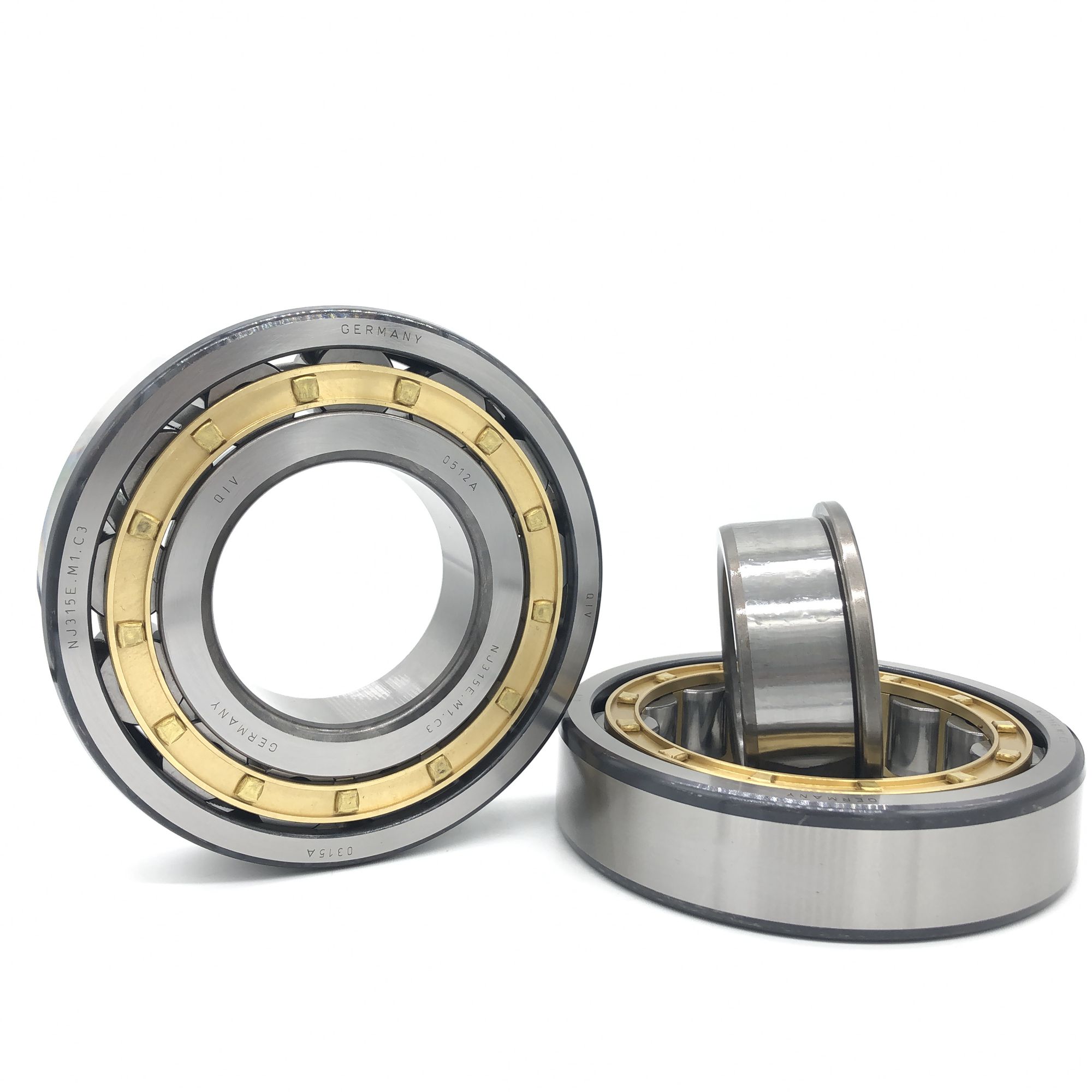
Agricultural Machinery Bearings: Key Components and Selection Guide
2025-05-22 10:00:10
Agricultural machinery is subjected to huge loads and harsh working environments in the process of ploughing, sowing, harvesting and transport.
As a key transmission component, the performance of bearings directly affects the reliability, efficiency and life of the equipment.
This article will discuss the application of agricultural machinery bearings, selection points and maintenance recommendations to help you choose
the right bearing products.
Main applications of bearings in agricultural machinery
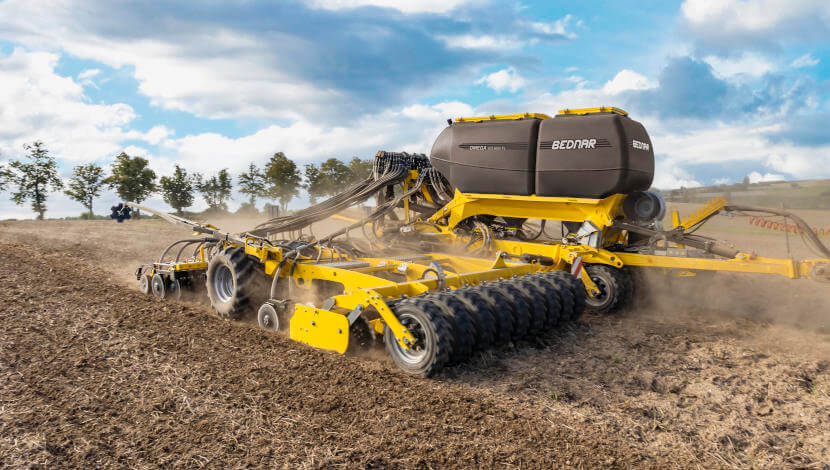

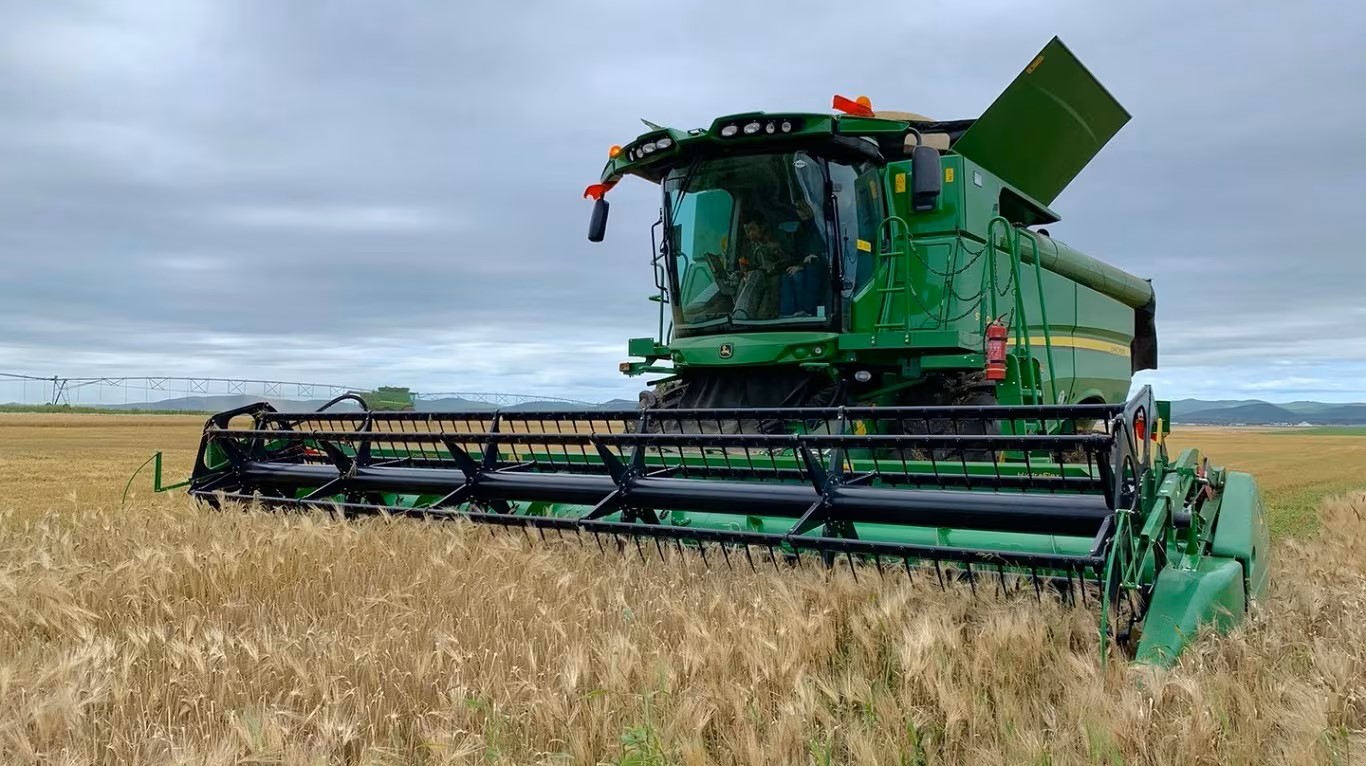
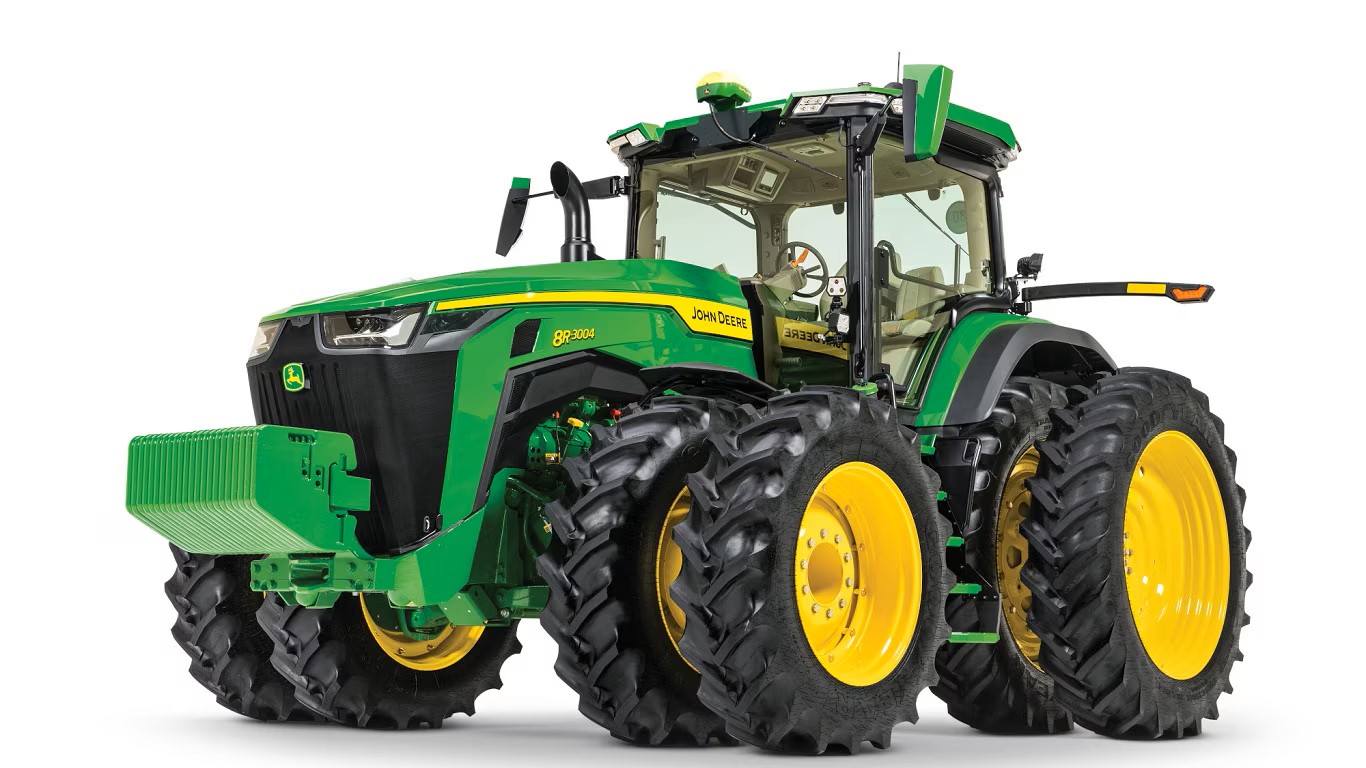
The working environment of agricultural machinery is usually characterised by high dust, high humidity, shock loads and vibration, so the bearings need to have excellent wear resistance, sealing and load carrying capacity.
Tractors
Wheel hub bearings: subject to heavy loads and shocks, requiring high load carrying capacity and sealability
Gearbox bearings: high speed and high torque, requiring high precision and wear resistance.
PTO (Power Take-Off Shaft) bearings: subject to alternating loads and require anti-fatigue design.
2. Combine harvesters
Threshing drum bearings: high speed rotation, need to be impact resistant and dustproof design
Cutting table bearings: exposed to straw and dust, need to strengthen sealing
Travelling system bearings: exposed to vibration and mud, water and rust proof.
3. Seeders and tillers
Openers bearings: in direct contact with the soil, dust and corrosion resistant.
Drive shaft bearings: subject to cyclical loads, high fatigue strength required
4. Irrigation equipment
Pump bearings: waterproof and corrosion-resistant, suitable for wet environments
Selection of bearings for agricultural machinery
1. High load carrying capacity
Agricultural machinery is often subjected to shock loads, tapered roller bearings or spherical roller bearings are recommended to cope with radial and axial composite loads.
For heavy equipment (such as tractor hubs), double row angular contact ball bearings or cylindrical roller bearings can be used.
2. Sealing and dustproof
Agricultural environment is full of dust, mud and water, it is recommended to use bearings with rubber seals (RS or 2RS) to prevent pollutants from entering.
Labyrinth seal or special coated bearings (e.g. zinc-plated or stainless steel) can be used in extreme working conditions.
3. Corrosion resistance
Wet or fertiliser corrosive environment can use stainless steel bearings or surface treatment bearings (such as chrome plating, phosphate treatment).
For pesticide spraying equipment, chemical corrosion resistant PTFE (Teflon) coated bearings are required.
4. Lubrication method
Agricultural machinery maintenance cycle is long, recommended life-long lubricated bearings (with lithium grease). High temperature or high speed applications can use high temperature grease or oil lubrication system.
5. Installation and maintenance convenience
Housed bearings (e.g. UCP, UCF series) are easy to install and replace.
Self-aligning bearings compensate for shaft misalignment and reduce wear.
How to extend the life of agricultural machinery bearings?
1.Regular lubrication: Use suitable grease (e.g. NLGI Grade 2) and avoid mixing different types of grease.
2. Keep clean: Clean up straw and soil around the bearings after operation to prevent blocking the seals.
3. Check alignment and mounting: avoid extra wear caused by bent or misaligned shafts.
4. storage protection: spare bearings should be stored in a dry environment to avoid rust.
Our Bearing Advantages
High load tapered roller bearings ---- for tractors and harvesters
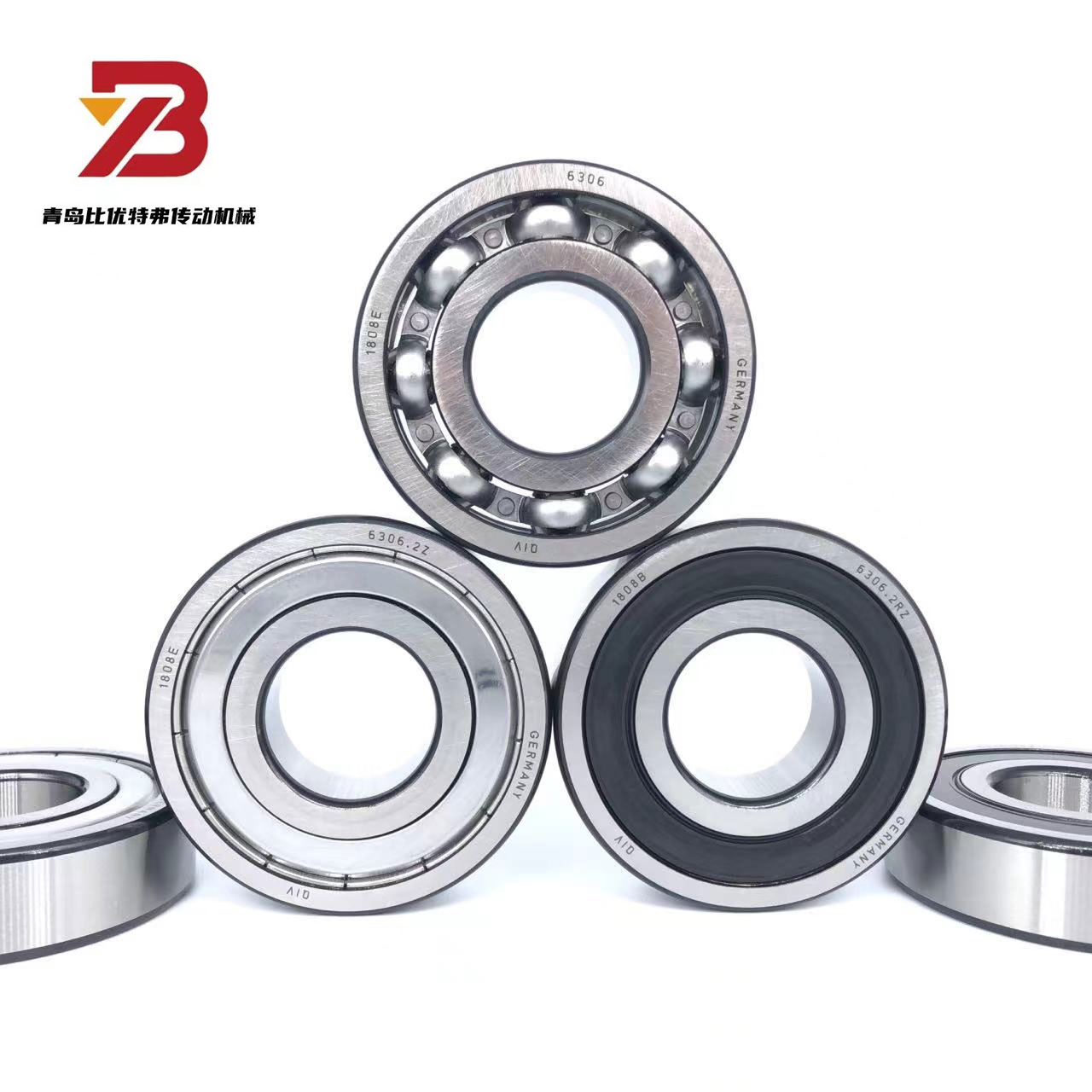
Sealed deep groove ball bearings ---- dust and moisture resistant for seeders
Stainless steel bearings ---- corrosion-resistant for irrigation equipment
Seated spherical bearings ---- are easy to install and reduce maintenance